June 12, 2026
Understanding the influence of office furniture on employee productivity and well-being is crucial for creating a conducive work environment. As businesses strive to enhance efficiency and employee satisfaction, the role of office furniture becomes increasingly prominent. Furniture no longer merely serves to provide a place to sit or work; it embodies a tool for health and productivity enhancement. This article explores how various aspects of corporate office furniture affect productivity and well-being. Different elements, such as ergonomics, aesthetics, space utilization, technology integration, health-focused innovations, and environmental considerations, are essential components in creating a holistic work environment.
Ergonomics as a Productivity Foundation
Principles of Ergonomic Design
Ergonomic design is at the heart of modern corporate office furniture planning. It refers to the crafting of products that support comfort, health, and efficiency in the workplace. Ergonomics addresses factors such as body alignment and posture, which can significantly influence productivity. By focusing on the needs and limitations of users, ergonomic office furniture helps reduce fatigue and injuries. This focus is crucial in maintaining optimal workplace efficiency and employee well-being.
Health Benefits of Ergonomic Chairs
Ergonomic chairs play a pivotal role in maintaining employee health in the workplace. Office tasks require prolonged sitting, making chairs a significant part of the daily work routine. Properly designed ergonomic chairs accommodate various body types and ensure spine alignment, mitigating back pain and discomfort. Using ergonomic chairs is scientifically proven to reduce health issues and enhance productivity. According to OSHA, setting up computer monitors at least 20 inches away from the user promotes a comfortable and strain-free posture.
Flexibility of Adjustable Desks
Adjustable desks are revolutionizing the way we approach workplace productivity. By allowing workers to alternate between sitting and standing, they promote movement and flexibility. This flexibility can help mitigate the negative health impacts associated with prolonged sitting. Adjustable desks cater to individual preferences and physical needs, which can significantly enhance workplace satisfaction and output. Their integration fosters a culture of health and productivity, reshaping the modern office landscape.
Aesthetics and Employee Wellbeing
Visual Appeal and Mood Enhancement
Visual appeal in corporate office furniture contributes significantly to employee morale and mood. An aesthetically pleasing environment fosters creativity and positivity, enhancing the overall workplace atmosphere. Carefully selected colors and designs can evoke emotions, directly influencing mood and performance. Office spaces that are visually appealing also reflect the organization’s image and culture. Thus, paying attention to aesthetic details can contribute to a more motivated and engaged workforce.
Psychological Effects of Office Color
Different colors influence emotions and behaviors, playing a crucial role in office design. Warm colors like red and orange foster energy and enthusiasm, while blues and greens are known for their calming effects. These psychological properties are why color choices significantly impact employee productivity and mental state. Integrating the right colors in office design can promote a balanced and conducive work environment. Companies can strategically use color psychology to enhance productivity and employee well-being.
Natural Integration through Biophilic Design
Biophilic design integrates natural elements into office environments, fostering a connection with nature. Using natural materials, plants, and views of nature can reduce stress and enhance well-being. Research supports the idea that biophilic elements in the workplace improve concentration and creativity. This design philosophy helps in reducing the negative impacts of the artificial office environment. Implementing biophilic design is an active step towards promoting mental health and productivity.
Space Utilization and Office Layout
Open and Private Layout Comparisons
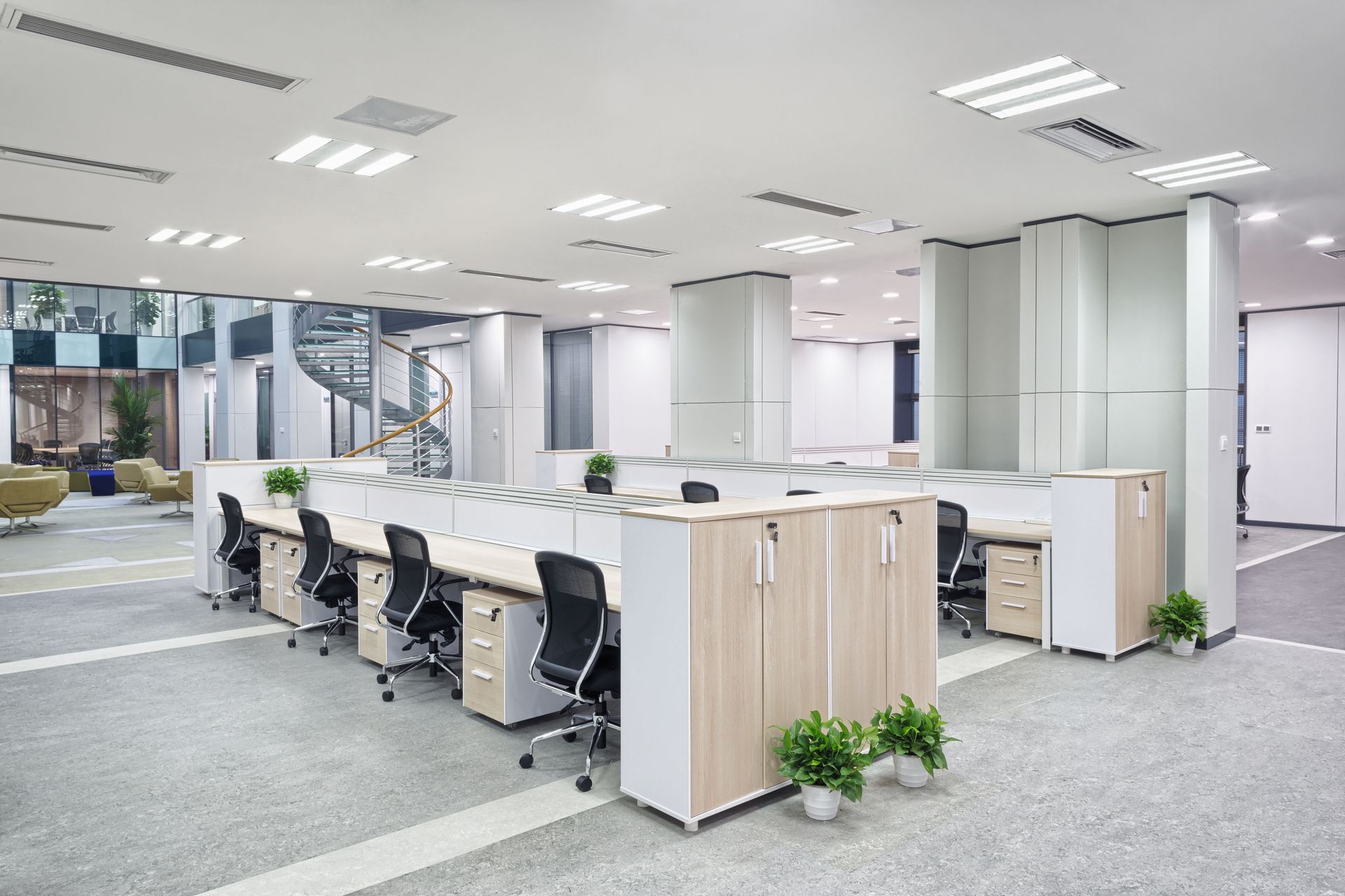
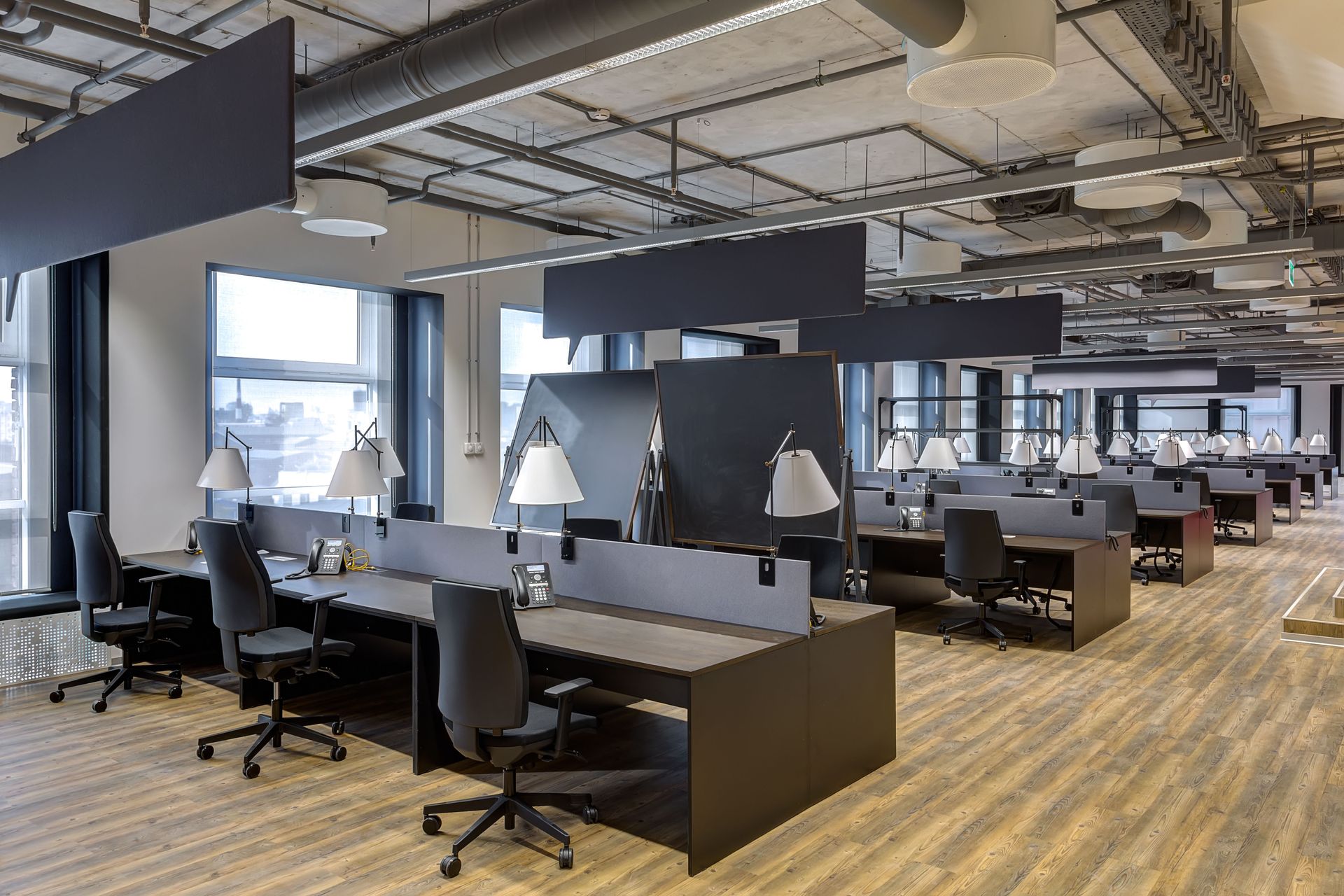
Office layout significantly influences productivity and communication. Open layouts promote collaboration and transparency by removing physical barriers, improving team cohesion, and facilitating idea exchange. However, they can also contribute to distractions and reduced privacy, which some employees may find overwhelming. Private office spaces, on the other hand, offer solitude and focus but may deter collaboration. A hybrid environment that balances open and private spaces can cater to diverse work styles and optimize productivity.
Space Optimization for Collaboration
Creating spaces that encourage collaboration is vital in today’s dynamic work environments. Relaxed lounge areas, breakout rooms, and collaborative workstations support team engagement and idea flow. These spaces foster informal interactions, leading to spontaneous ideas and innovation. Companies should design office layouts that feature dedicated zones for group work. Structured collaboration areas enhance teamwork and knowledge sharing across departments.
Solutions for Noise and Distraction
Noise and distractions are common challenges in modern open office designs. They can lead to reduced concentration and increased stress, adversely affecting productivity. Soundproof workstations, noise-canceling headphones, and quiet zones are practical solutions to these challenges. Organizations must recognize the need for focused work and cater to it accordingly. Addressing noise issues is crucial to maintaining a balanced and effective work environment.
Technology Integration in Furniture
Power and Charging Infrastructure
The integration of power and charging solutions in corporate office furniture is becoming increasingly vital. With the growing reliance on electronic devices, easy access to power outlets is essential. Office furniture equipped with charging ports and built-in power sources supports productivity and convenience. This feature reduces the clutter of cables and promotes a seamless work experience. As technology evolves, integrating advanced power solutions in furniture becomes a necessity.
Connectivity and Smart Desk Features
Smart desks are reshaping the modern office with their technology-oriented features. They incorporate elements such as wireless charging, height adjustment, memory settings, and connectivity options for devices. Smart desks enhance flexibility and offer intuitive solutions that improve workflow and productivity. Technology-enabled furniture bridges the gap between traditional and modern work requirements. Connectivity integration is transforming desks into smarter, more efficient workstations.
Support for Remote and Hybrid Work
The rise of remote work has prompted the need for corporate office furniture that supports work-from-home setups. Compact and ergonomic designs that fit home environments while maintaining professional standards are in demand. Hybrid workers require versatile furniture that accommodates both office and remote work needs. Solutions like foldable desks, ergonomic chairs, and mobile storage are becoming increasingly popular. Equipping employees with suitable remote-focused furniture sustains productivity and work-life balance.
Health-Focused Furniture Innovations
Health Benefits of Sit-Stand Desks
Sit-stand desks offer a health-centric approach by allowing users to alternate between sitting and standing positions. They counteract the adverse effects of prolonged sitting, such as poor posture and cardiovascular risks. Regular movement promoted by sit-stand desks increases circulation and helps maintain energy levels. Their usage is associated with improved mental clarity and reduced fatigue, fostering a more vibrant work environment. Incorporating sit-stand desks demonstrates a commitment to employee health.
Anti-fatigue Mats and Seating Alternatives
Anti-fatigue mats and innovative chair alternatives contribute to workplace wellness. Anti-fatigue mats reduce strain on muscles and joints, providing comfort to standing employees. Alternative seating options, such as kneeling chairs or balance stools, encourage active sitting to promote better posture and engagement. These solutions cater to diverse seating preferences, supporting both comfort and productivity. Introducing these elements into the workspace is an investment in staff well-being and vitality.
Strategies for Movement and Relaxation
Furniture that encourages movement and relaxation is essential for holistic wellness. Breakout areas with comfortable seating promote relaxation and socialization, essential for mental rejuvenation. Such spaces enable employees to recharge, enhancing focus and productivity during work hours. Providing options for movement throughout the day, such as standing desks and active workstations, mitigates sedentary behavior. Organizations can foster a healthier work environment by integrating these wellness-focused spaces and furniture options.
Corporate office furniture plays a pivotal role in influencing employee productivity and well-being. By focusing on ergonomic design, aesthetic appeal, efficient space utilization, technology integration, health-centered innovations, and environmental sustainability, businesses can create a workspace that not only boosts efficiency but also fosters a sense of satisfaction and well-being among employees. Investing in thoughtfully designed corporate office furniture is an investment in the organization's most valuable asset - its people. As offices evolve, understanding and harnessing the potential of furniture influences will remain essential for future success. Contact Lincoln Office today to transform your workplace with furniture solutions designed for peak productivity and employee wellness.