November 25, 2026
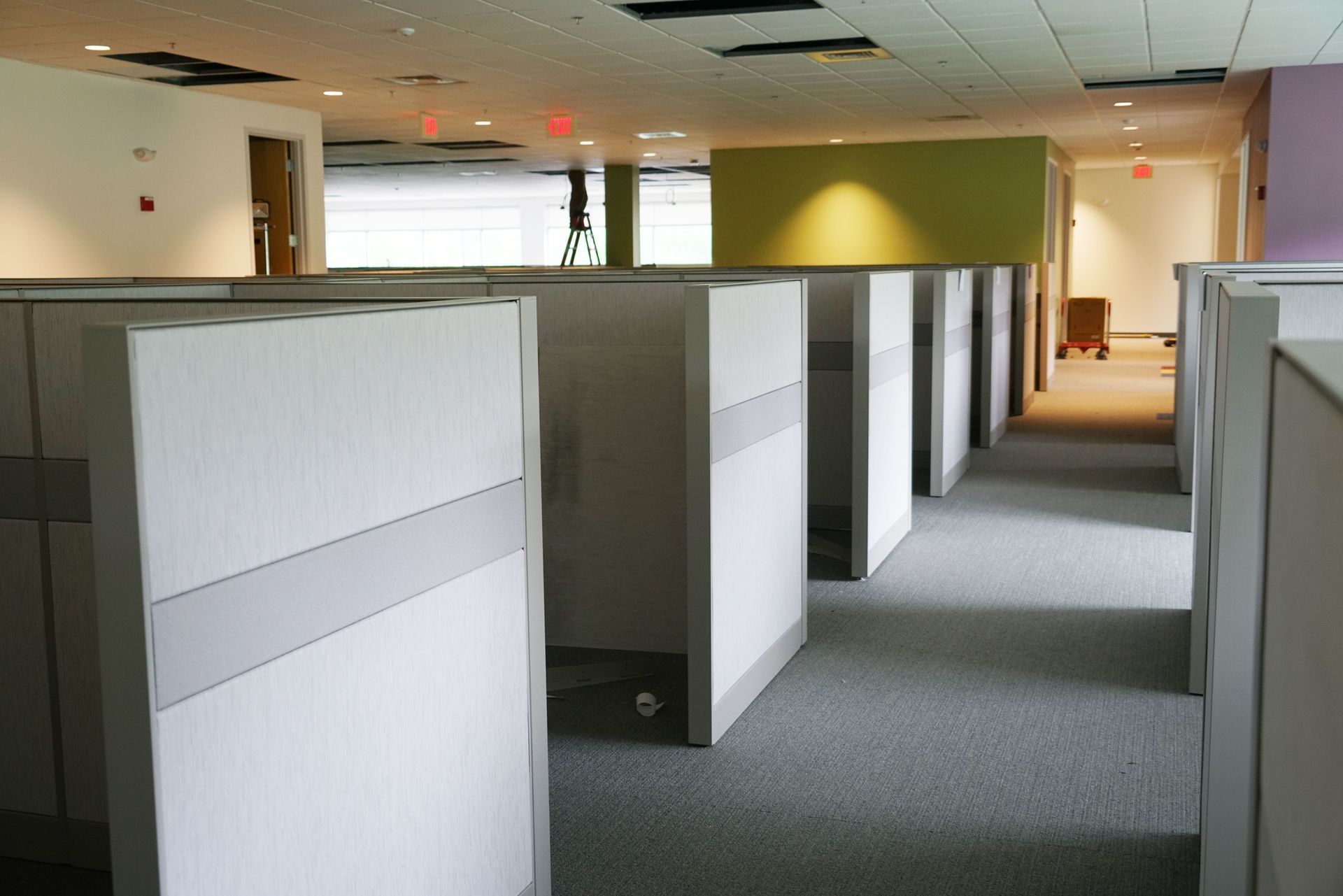
Office environments have changed considerably over the years, but the need for comfortable, productive workspaces remains. While open office layouts have become popular, many businesses are reconsidering the value of individual work areas. Modern designs offer improved privacy, flexibility, and technology integration, making them an important part of contemporary workplace planning.
Understanding the Evolution of Office Cubicles
The concept of office cubicles originated in the 1960s when Robert Propst developed the Action Office for Herman Miller. His original vision was to create flexible workspaces that encouraged productivity while giving employees greater control over their surroundings. Over time, businesses adopted the concept as a cost-effective way to organize offices and accommodate growing teams.
By the 1980s, traditional cubicles had become common in corporate environments. However, standardized layouts often sacrificed comfort and individuality. As open office concepts gained popularity, companies began removing partitions to encourage communication and teamwork. Unfortunately, these arrangements often created challenges involving noise, distractions, and limited personal space.
These concerns have contributed to renewed interest in improved office layouts. Modern cubicles combine the privacy of traditional workstations with features that support collaboration and changing workplace requirements. According to Verifiedmarketresearch.com, the office cubicles market size is projected to reach USD 104.8 billion by 2031. This growth reflects continued interest in flexible and functional office furniture.
Improving Privacy in the Workplace
Privacy is an important consideration when creating productive office environments. Employees frequently handle responsibilities that require concentration, confidentiality, and minimal interruptions. Workstations with appropriate partitions provide a more comfortable setting for completing these tasks. They also help establish personal boundaries in busy offices.
Visual and acoustic privacy are particularly important. Without adequate separation, employees may struggle to concentrate because of conversations, movement, and other distractions. Sound-absorbing materials and thoughtfully designed partitions can help minimize interruptions. A more controlled environment can also improve employee satisfaction and reduce workplace stress.
However, privacy should not come at the expense of communication. Businesses still need areas where employees can meet, exchange ideas, and work together on projects. Combining individual workstations with shared meeting spaces creates a balanced office environment. This approach allows employees to choose settings that match their responsibilities.
Incorporating Modern Cubicle Features
Contemporary cubicle systems incorporate features that make everyday office activities more convenient. Integrated electrical outlets, cable management systems, and technology-friendly surfaces help employees organize their equipment. These additions accommodate computers, monitors, phones, and other essential devices without creating unnecessary clutter.
Modular construction is another important development. Businesses can select configurations that accommodate different departments, staffing levels, and available floor space. Individual workstations can be rearranged as organizational needs change, making modular systems useful for growing companies. This flexibility also helps businesses avoid replacing entire office layouts whenever their requirements change.
Material selection has also improved. Many manufacturers offer options that incorporate durable materials, recycled components, and acoustic treatments. These features can contribute to more comfortable and environmentally conscious workplaces. Businesses can also select finishes, colors, and partition styles that complement their existing interiors.
Enhancing Focus Through Cubicle Layouts
A well-planned workstation can make it easier for employees to concentrate on demanding assignments. Partition height, workstation placement, and acoustic materials all influence the level of privacy employees experience. Proper separation can reduce visual interruptions and help establish a focused working environment. These considerations are especially important in offices where several employees share the same floor.
Ergonomics also plays an important role in workplace productivity. Employees spend considerable time sitting at desks, using computers, and completing repetitive tasks. Workstations that accommodate adjustable chairs, desks, and monitor placements can support more comfortable working conditions. Providing sufficient space for equipment and everyday office supplies further improves functionality.
Lighting and color choices can influence the atmosphere of individual work areas. Natural light can make office environments feel more inviting, while appropriate artificial lighting helps employees complete detailed tasks. Neutral colors can create a professional appearance, while carefully selected accent colors add visual interest. Combining these elements with effective sound management creates workspaces that support different employee needs.
Supporting Collaboration Across the Office
One criticism of traditional cubicles is that they can make communication more difficult. Tall partitions may create separation between coworkers, making spontaneous conversations less convenient. Modern layouts address this concern through lower partitions, shared work areas, and accessible meeting spaces. These arrangements provide separation without completely isolating employees.
Businesses can also incorporate different workstation configurations throughout their offices. Employees who regularly collaborate may benefit from grouped workstations, while departments handling confidential information may require additional separation. Conference rooms and informal gathering areas provide additional opportunities for discussion. A combination of these spaces accommodates different working styles.
The right arrangement depends on the organization's size, industry, and daily operations. A business with a large administrative department may have different requirements from a company with a smaller team of specialized employees. Understanding these differences helps organizations select furniture and layouts that support their objectives.
Addressing Modern Cubicle Challenges
Although contemporary cubicle systems offer several advantages, businesses must consider their initial costs. Advanced materials, integrated technology, and modular features can increase the investment required for a new office layout. Organizations should evaluate their budgets alongside the expected lifespan and functionality of the furniture. Selecting durable systems can help support long-term value.
Available floor space is another consideration. Offices with limited square footage may need compact configurations that accommodate employees without making the environment feel crowded. Furniture dimensions, walking paths, storage requirements, and shared spaces should all factor into layout decisions. A well-organized arrangement can help businesses use their available space effectively.
Employee preferences can also influence the success of a new office design. Some workers appreciate private workstations, while others prefer open arrangements that make communication easier. Gathering employee feedback can help businesses identify the features that matter most to their teams. Considering these preferences before purchasing furniture can lead to a more functional workplace.
Exploring Future Cubicle Trends
Hybrid work arrangements are influencing how businesses approach office furniture and space planning. Some organizations no longer need permanent workstations for every employee because staff members divide their time between home and the office. Shared desks and adaptable cubicle configurations allow companies to accommodate changing attendance patterns. Technology-friendly workstations also make it easier for employees to transition between in-person and remote responsibilities.
Adjustable and responsive features are another area of development. Businesses are increasingly interested in furniture that accommodates different working preferences and physical requirements. Adjustable desk heights, flexible storage options, and improved lighting can contribute to more versatile work environments. These features help organizations create spaces that accommodate a wider range of responsibilities.
Sustainability and durability are also expected to remain important considerations. Companies are paying greater attention to material sourcing, furniture longevity, and the environmental impact of office purchases. Modular systems can support these priorities by allowing individual components to be replaced or rearranged instead of requiring complete furniture replacements.
Selecting the Right Office Furniture
Selecting office furniture requires an understanding of how employees use their workspaces. Businesses should consider the number of employees, available floor space, equipment requirements, and the level of privacy needed for different departments. These factors help determine which workstation configurations are most appropriate. Furniture should also complement the company's overall interior design and support its operational needs.
Storage, accessibility, and organization deserve attention during the selection process. Workstations should provide sufficient room for computers, documents, office supplies, and personal belongings. Integrated storage solutions can help reduce clutter while keeping frequently used materials accessible. Durable surfaces and quality construction are also important for furniture that experiences regular daily use.
Office cubicles continue to serve an important purpose in modern workplaces. Their evolution has introduced better materials, flexible configurations, improved privacy, and technology-friendly features that address many limitations associated with older designs. When combined with collaborative spaces and thoughtful office planning, they can create environments that accommodate different working styles.
Lincoln Office can help businesses explore office furniture solutions that support their workspace requirements. Whether your organization is updating an existing layout or furnishing a new office, the right furniture can make a difference in comfort, organization, and productivity. Contact Lincoln Office to discuss your needs and find office furniture solutions that support your team's daily operations.